Although I’ve mentioned some
of my favorite smells in previous stories, I didn’t list them in order. My very
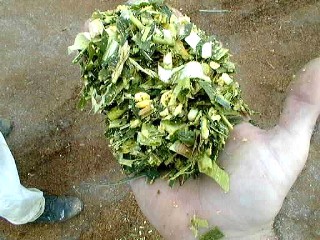
first favorite smell is fresh cut hay about a day after its cut. My 2nd
favorite smell is aged silage. When Tim and I were kids, we raised a lot of
beef cattle on the farm. We had about 50 head on our farm and 50 head at
Burnham’s farm just up the road about 1 mile and a half. We used to farm 3
other farms in addition to ours (Greeno’s, Gillespi’s, and Burnham’s.) Tim has
upheld the cattle tradition by having around 60 head of them on our farm and a
few at the other farm on Tennent Rd.
When we were young and our
father was still living, they used to feed the cattle silage. Since we didn’t
have a silo at our place, they put it in round snow fence “silos”. However, there
was a silo at Burnham’s. One of my chores was to go with our father to
Burnham’s each evening to feed and bed down the cattle. After spreading straw
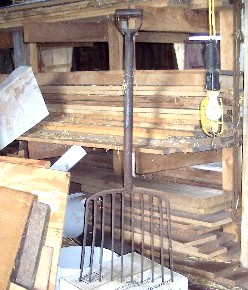
with a pitchfork, I would climb up the ladder to the top of the silo and throw
down silage into a silage cart, using a silage fork. I have a silage fork to
clean my horse stalls and every time I do, my thoughts go back to throwing down
the silage with a silage fork. I looked forward to that chore at Burnham’s
because I loved the smell of aged silage so much! Unfortunately, Tim doesn’t
feed silage to the cattle. This is mainly do to the fact that the equipment
needed is too expensive and he needs the acreage for feed corn. Just a curious
statistic here, did you know that about 75% of corn grown in the U.S. is for
animal feed. Silos are a vanishing icon these
days because very few people have cattle any more around this area. About the
only places I’ve seen silage is on dairy farms and they are few and far between
around here. Even when I do see silage on a dairy farm, it’s piled in an
enclosure on the ground and covered with a huge plastic tarp and held down with
old tires. There are a few old silos still around at old abandoned farms. The
tops are usually silver colored and look like observatory domes. Hmmm, I’m sure
all of you have seen old silos so I don’t have to go into a detailed
description. Oh well, since I like writing about this subject, just indulge me
for a while. The one thing you may not have noticed or are aware of is the short
lead pipe protruding through the silo at on angle at the bottom of most old
silos. These were for dispensing “silage juice” which is a very potent form of alcohol. This was a cheap way for farmers to get
a “buzz”. Since most silage is made from green corn stalks and young ears of
corn, I suppose the juice was like moonshine from the fermenting corn. Probably
close to 200 proof! I wonder if the farmers back then had livers?
DISCLAIMER!
At this point, if you are
squeamish or have a weak stomach, skip the following paragraph and read it way
before or after you have eaten breakfast, lunch or supper!
One time when I was up in
the silo throwing down silage, I found a dead barn owl. It was very maggot
infested. I took it down, threw it in the back of the pickup truck and took it
home and nailed it to the siding outside the house under the porch roof. I hung
it by nailing through each spread out wing. It looked like the scene from “The
Silence of the Lambs” where Hannibal ate the guts out of the police officer
guard and hung him up spread eagled! Why our parents allowed me to do this is a
complete mystery. They probably figured this was one of the very few “harmless”
things Tim and/or I had done. Things like old decaying maggot infested dead
things never bothered us then. In fact one time…. Never mind, THIS would really
gross you out!!!
Every year, I looked forward
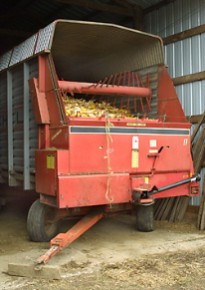
to baling hay and making silage. The silage harvester pulled a silage wagon
behind it and was pulled with a tractor. It was powered by the “power take off”
on the tractor. It would cut the green corn stalks, chop them up, and blow them
into the silage wagon. When it came time to fill the silo, the wagon was backed
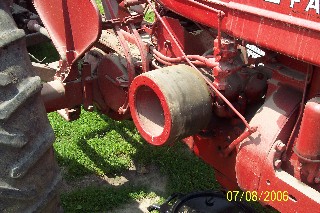
to the long trough in the silage silo filler. This worked off a special pulley on
the tractor with a long wide belt. Only old tractors have these pulleys. We
have some old tractors on the farm, so I took a pic of the pulley (see pic
below). The silage filler blew the silage up a long pipe that was fastened to
the side of the silo. I always wondered how it could blow that much silage way
up at the top of the silo so high up. It had a big roar to it as it was
running. The silage wagons had a chain on the bottom that had slats and slowly
moved forward as the silage was loaded into the trough. This was done by using
forks, bent at 90 degrees to move the silage into the trough. The trough had an
auger to move the silage into the blower. We had to be careful not to get any
hands or loose clothing into the auger or WE would be blown up into the silo
through the narrow tube! Modern tractors have no such pulleys since very few
farmers fill silos these days. Moreover, even if they did, I’m sure silage silo
fillers work off a power take off these days. I haven’t seen anyone filling a
silo with one of these fillers since I was a kid. Alas, another thing of the
past! (Where’s that genie that can allow you to go back into time???) Of all my
childhood memories growing up on our farm, baling hay and making silage are my
two favorites! I consider myself very blessed to be able to come back and once
again live at our family farm with dogs, cats, horses, chickens, turkeys,
cattle, and various other animals from time to time! Tim, Sue, and I are the 5th
generation on this farm. We have one of the very few family farms in this area
still in existence. Just like Tara for Scarlet O’Hara, this place is where I
draw strength and comfort! I am indeed very fortunate and very blessed!